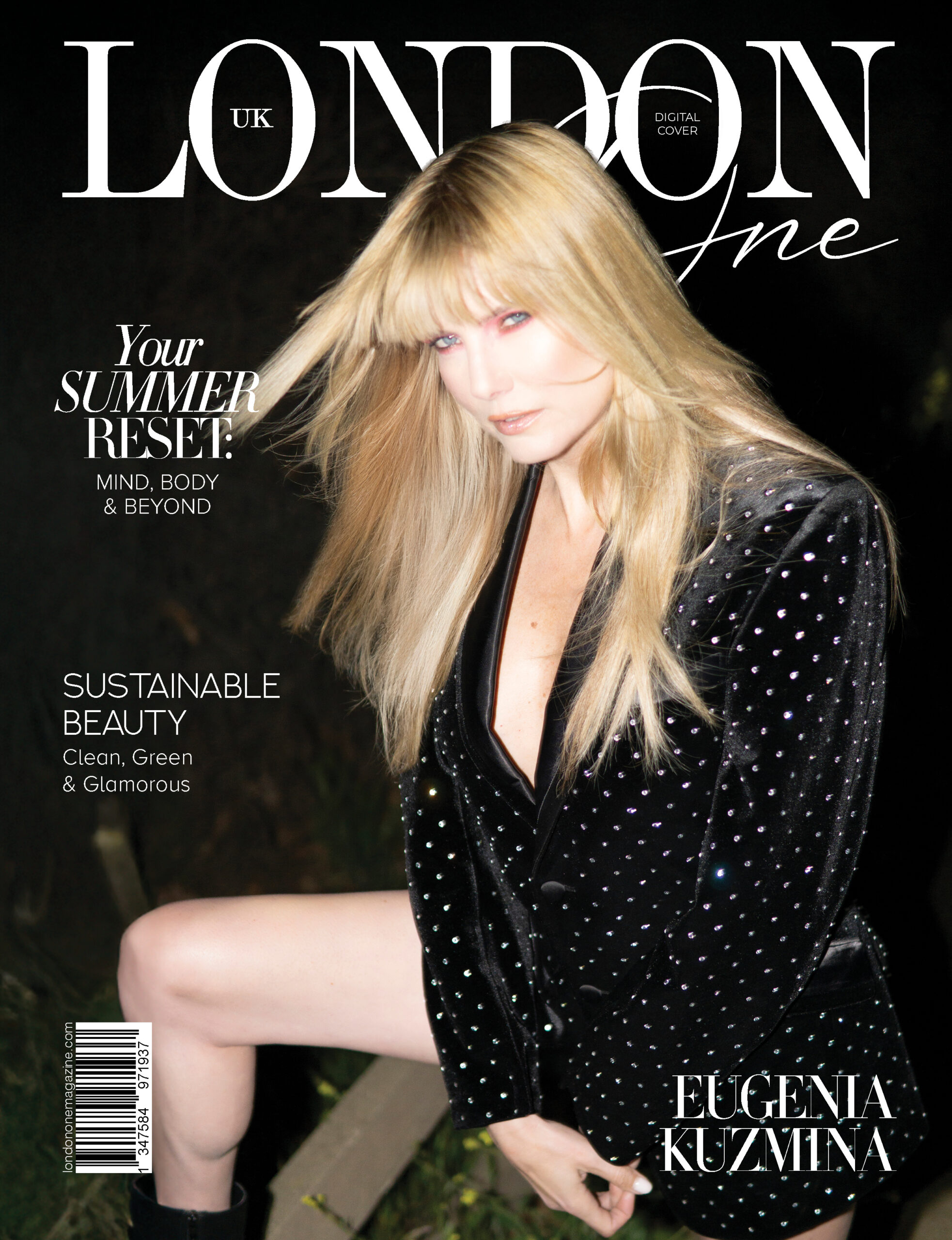
Eugenia Kuzmina has lived many lives in one — runway model, Hollywood actress, and now a bold comedic voice unafraid to laugh at convention. A multi-lingual force raised between cultures, she brings both edge and empathy to every role she plays. Whether she’s on stage, in front of the camera, or advocating for causes close to her heart, Eugenia radiates authenticity and fearless reinvention.
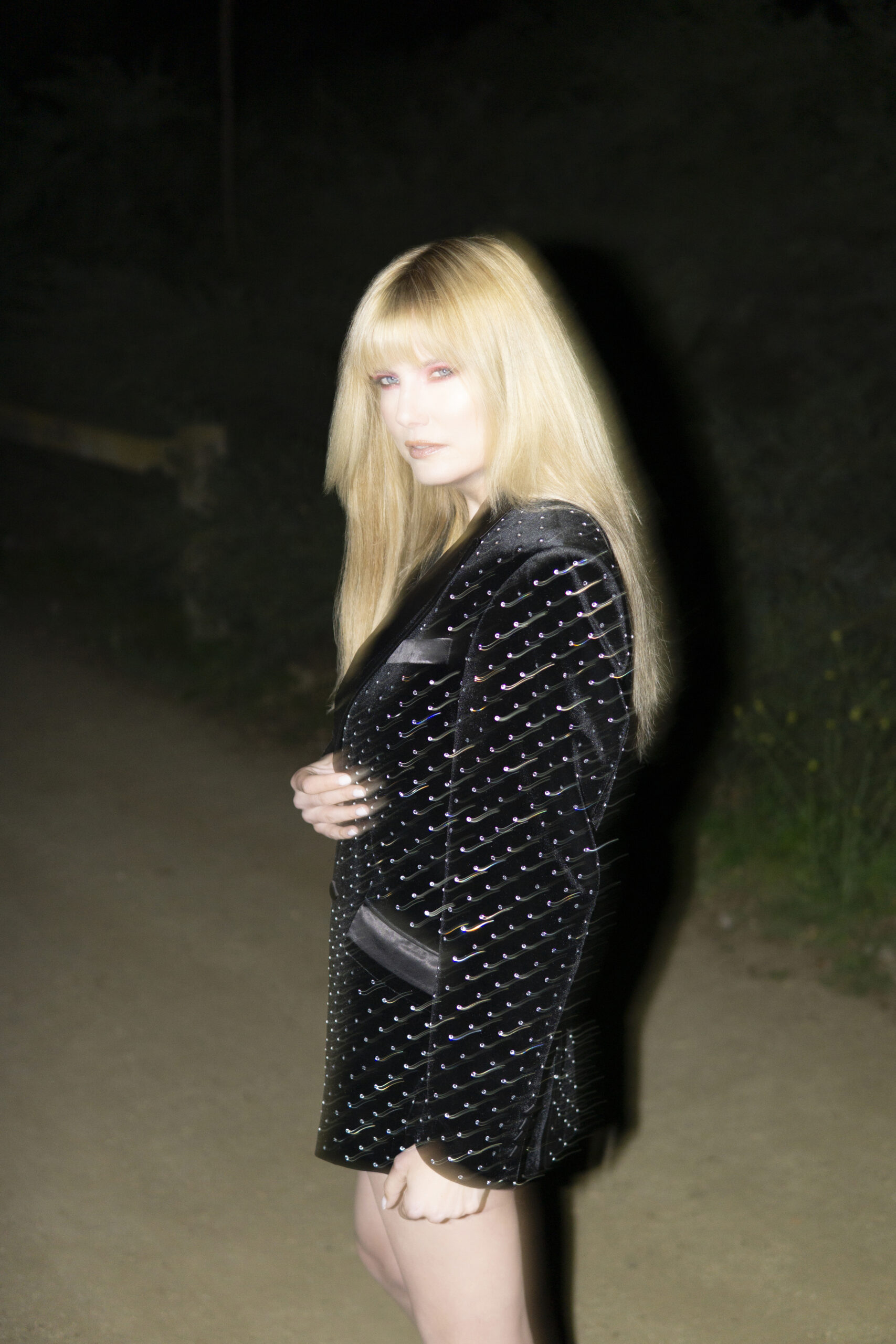
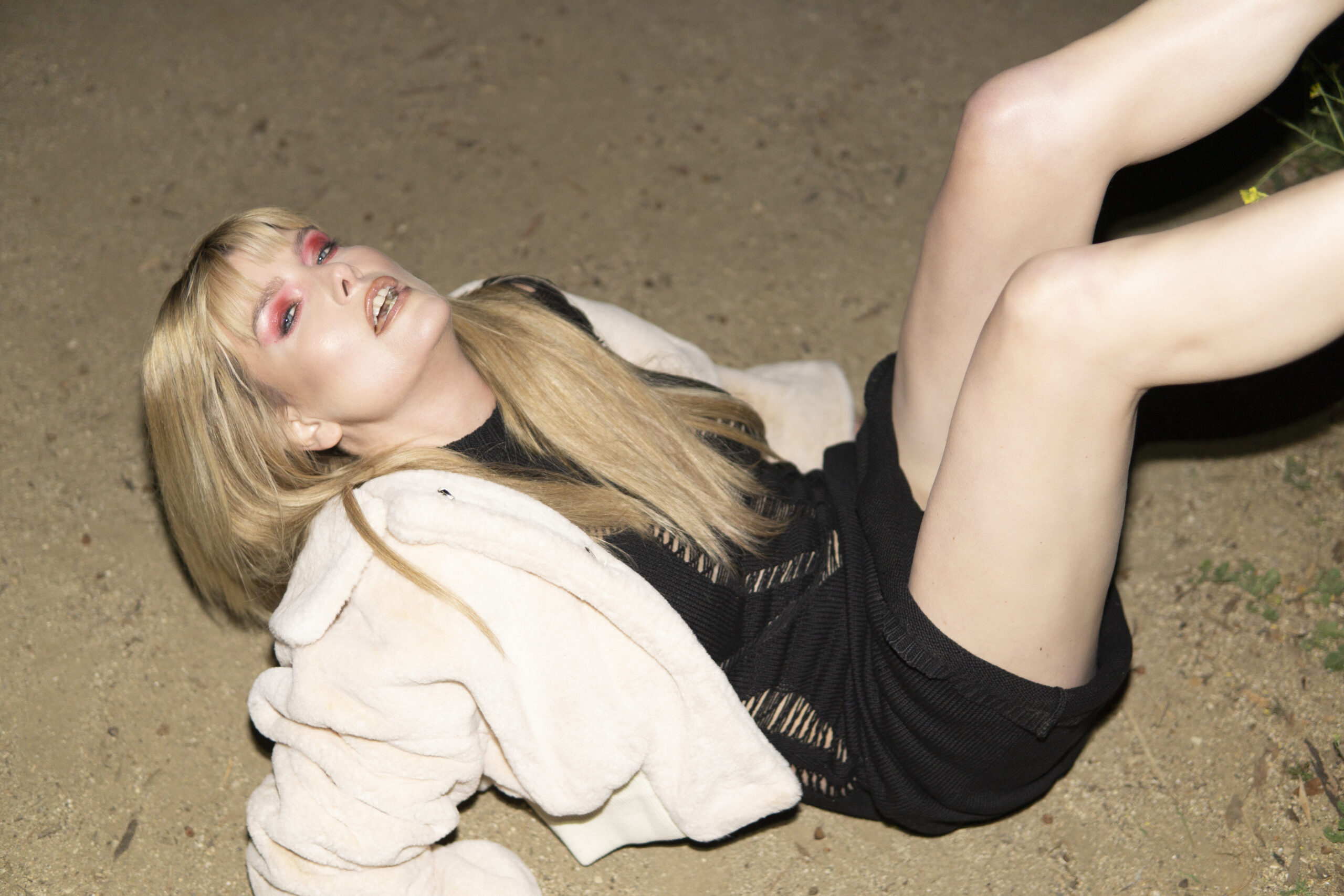
You began your career as a model before moving into acting and comedy — what part of your modelling background still shows up in your work today, either on set or on stage?
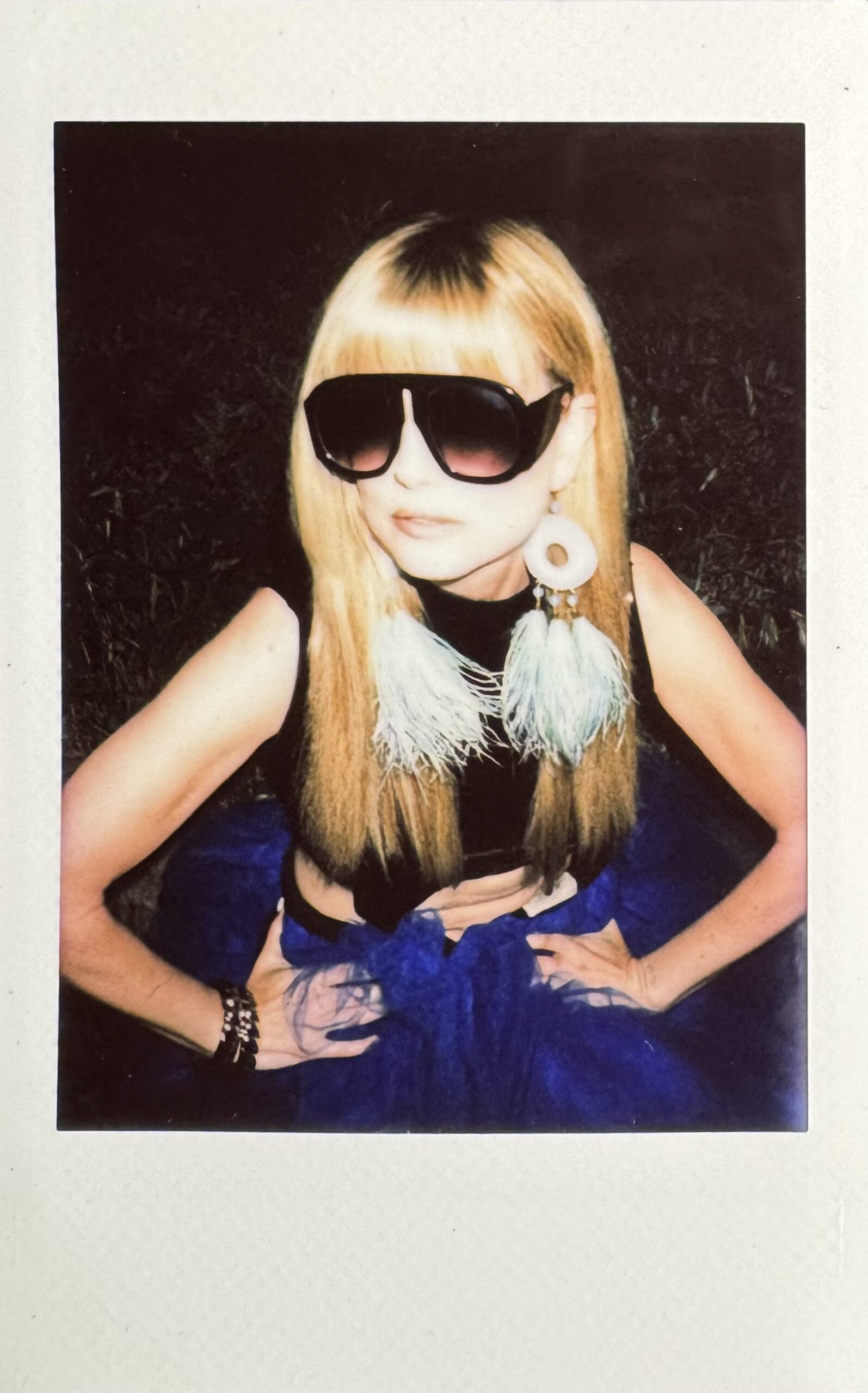
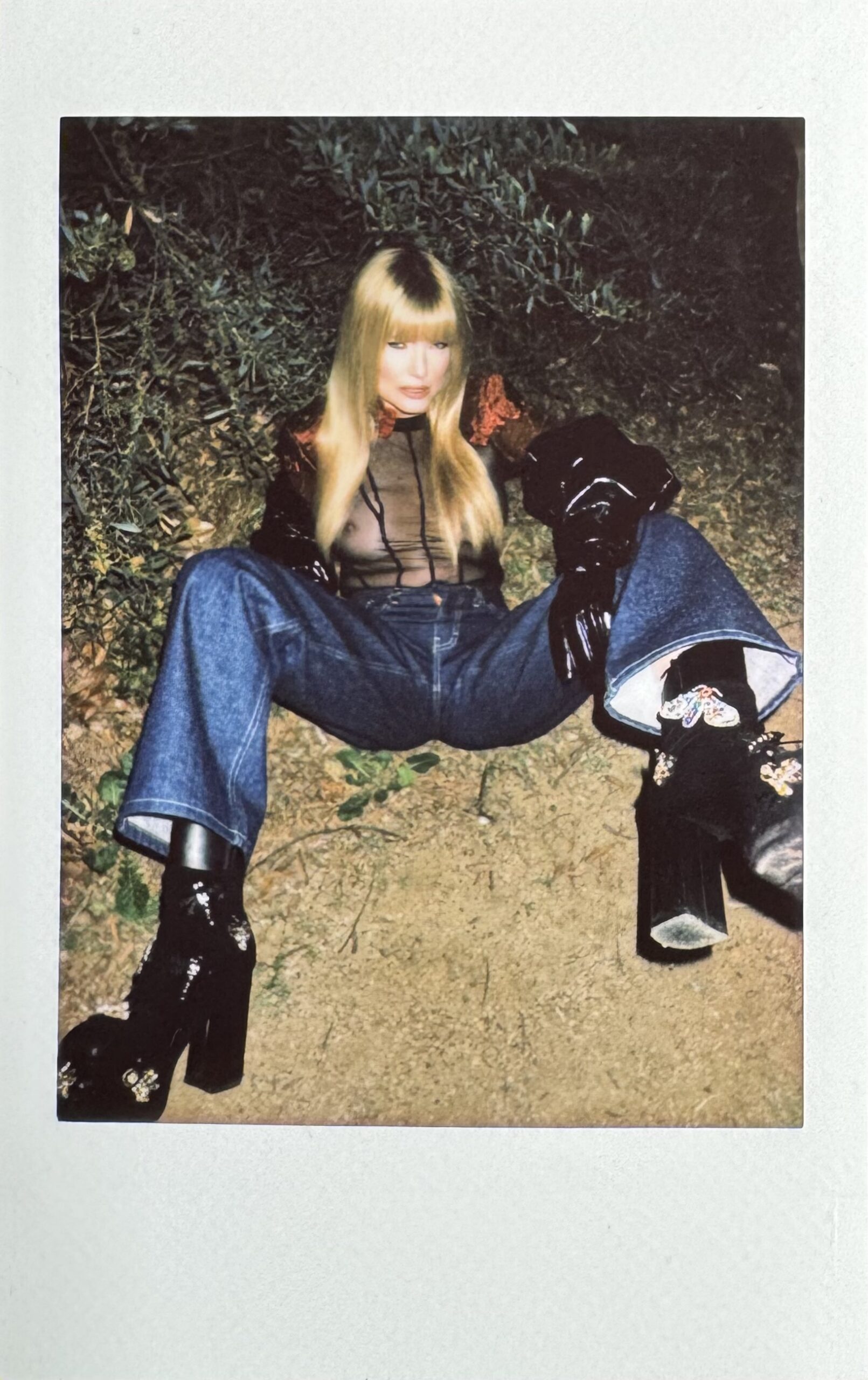
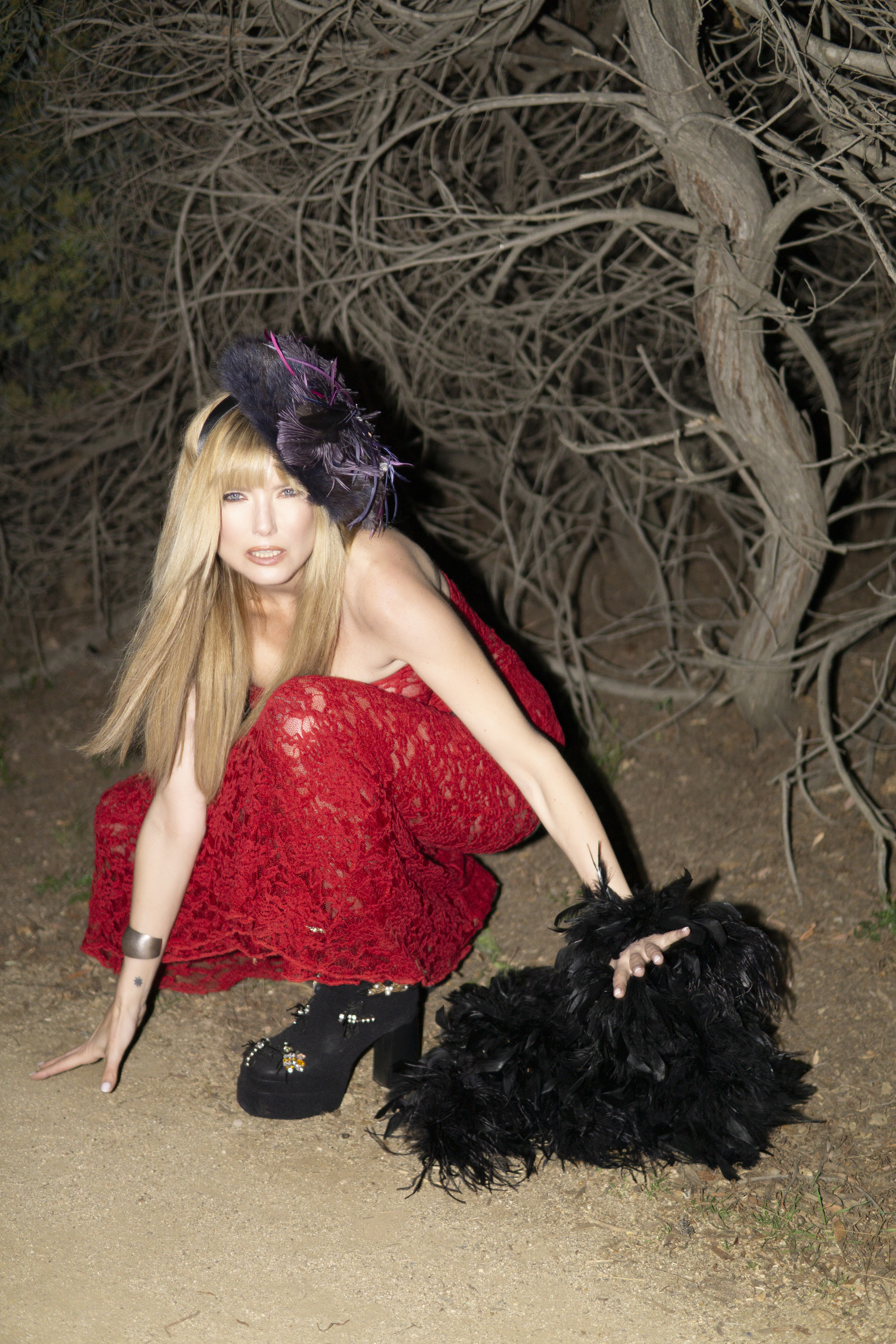
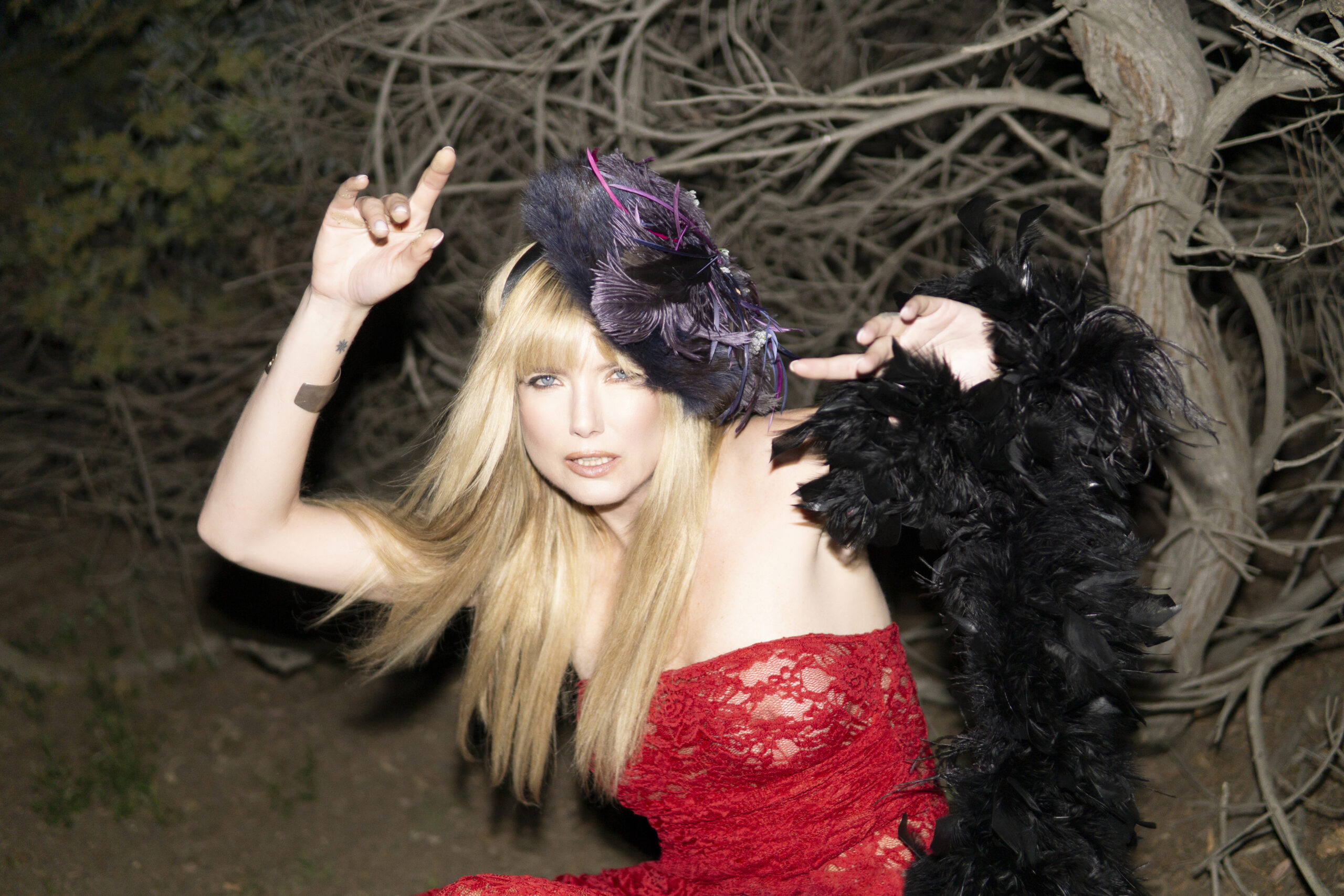
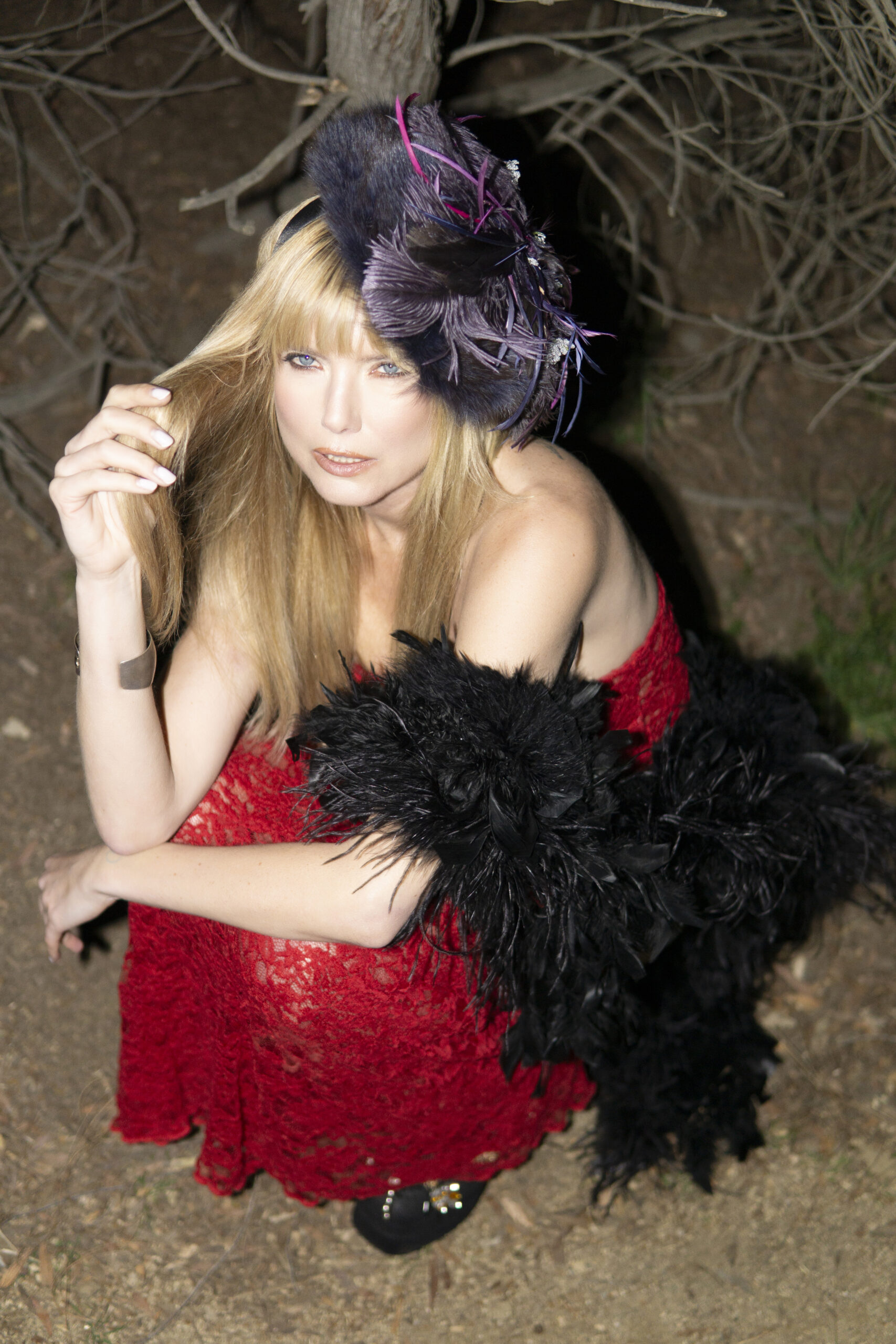
Comedy has definitely taken the lead in my life right now, but I still love modelling, especially when it’s collaborative and creative — like the shoot we did together. When it’s about storytelling and not just looking good, that’s real art to me.
I’ve always approached modelling as a kind of acting exercise. When I first started, I was really shy, so I’d take on characters through the clothes and expressions — it was my way of hiding. But acting is the opposite: it’s about being present, listening, and reacting. Modelling is about projecting something onto the camera, while acting demands vulnerability and connection. Both require different muscles, but the crossover still exists in how I approach shoots.
Looking at your upcoming projects on IMDb, which role are you most excited for audiences to see and what drew you to it?
I’m really excited about Drag Vampires, a vampire film I signed onto a year ago. It was such a wild ride—literally. I played a pet vampire, which is a big shift from the usual Russian spy roles I get cast in. The director had a very specific vision, inspired by Jet Li’s character in Unleashed, where he only becomes deadly when “unleashed.”
We shot in LA and Atlanta over the span of a year, often overnight, which was a challenge with my schedule as a mum. I loved working with the prosthetics team (they’ve done work on Stranger Things) and being surrounded by such a fun cast—Perez Hilton was surprisingly great on set. The role was physical and intense, and I barely spoke in the film, which pushed me to communicate everything through energy and movement.
As someone who immigrated to Los Angeles and built a career across continents, how has that journey shaped your sense of identity — both personally and professionally?
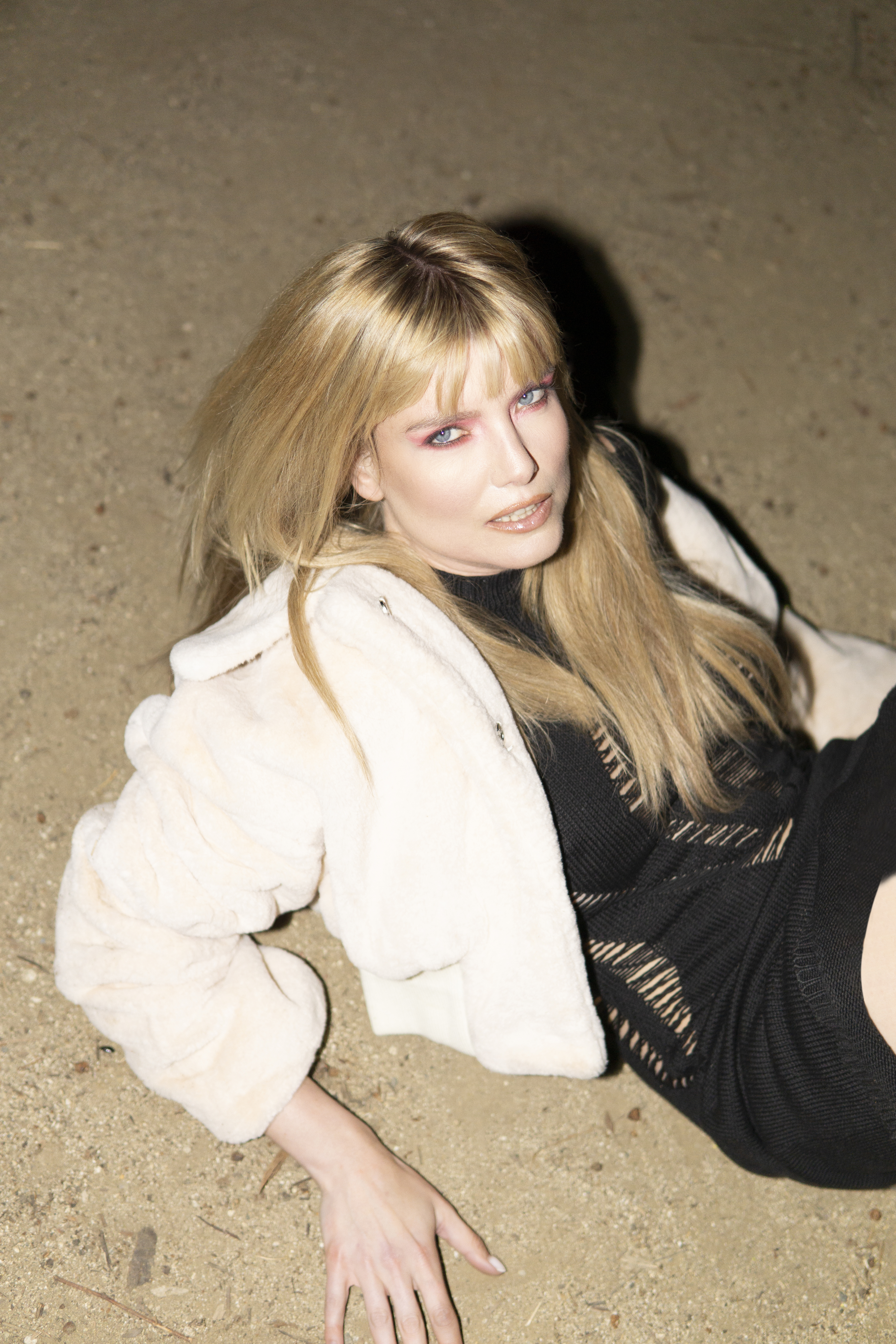
From a young age, my parents exposed me to travel, which shaped my curiosity more than a fixed sense of identity. I grew up post-Soviet, where curiosity wasn’t exactly encouraged. Moving to Paris and then constantly travelling for work helped me form a global perspective.
At first, Hollywood wanted to mould me — suggesting I change my name or lose the accent — but I realised that what people really connect with is authenticity. Once I started embracing who I actually am, rather than trying to fit into someone else’s idea, doors began to open. Being “you enough” is the most powerful thing you can be in a creative career.
You speak multiple languages — how has being multilingual opened doors for you creatively, and are there any roles where you’ve felt language was a secret weapon?
Absolutely. Speaking multiple languages changes your relationship to text — it becomes visceral. For example, acting in French or Russian often feels more natural to me than English because I’m not overthinking the words.
Sometimes I even run my English lines through Russian internally to connect physically and emotionally. Acting isn’t about words; it’s about energy. I recently won Best Actor at the French Riviera Festival for a short film, and that experience reinforced how freeing and powerful it is to act in your native or second language.
You’ve said before that you love Paris — what’s your favourite café there, and what’s your go-to order when you’re feeling nostalgic or creative?
It’s a little cliché, but I love Hôtel Costes in the 8th arrondissement. It’s not even about the food — models don’t eat, right? (Kidding.) But the vibe is just iconic. I love sitting in the garden with a glass of wine during fashion week, soaking in the atmosphere. It’s my go-to spot when I’m feeling nostalgic. I even told a friend once to scatter my ashes there if anything ever happened to me.
Is there a place — city, studio, landscape — that inspires you the most when you need to recharge or reconnect to your craft?
Nature, 100%.
I work with wolf sanctuaries and support wild horse protection efforts. Being around animals reminds me of the wisdom and beauty of the natural world. It recharges me on a spiritual level. I also work with human trafficking organisations, so when I need to reset, I retreat somewhere by the ocean or into the forest to completely disconnect from screens and reconnect with the world.
You’ve played a wide range of roles — what does transformation look like for you mentally and physically when preparing for a new character?
It’s a full-on transformation — sometimes to the discomfort of my family! When I commit to a role, it feels like I’m channelling something beyond myself. It’s not about costumes — it’s almost spiritual, and that can be draining if you’re not careful.
For Drag Vampires, the director asked me to dye my hair black — no wigs. The change completely shifted how I felt in the role and how others responded to me. After filming, I went through red and pink phases while transitioning back to blonde, and it made me realise just how deeply something as simple as hair colour can affect your identity. It really becomes part of stepping into someone else’s skin.
For women breaking into comedy today, especially those balancing beauty and brains, what’s the one piece of advice you wish you had starting out?
Someone once told me not to shower and to dress like an unhoused person if I wanted to be taken seriously as a comedian. That didn’t sit right with me. I love fashion and I wasn’t going to hide that part of myself.
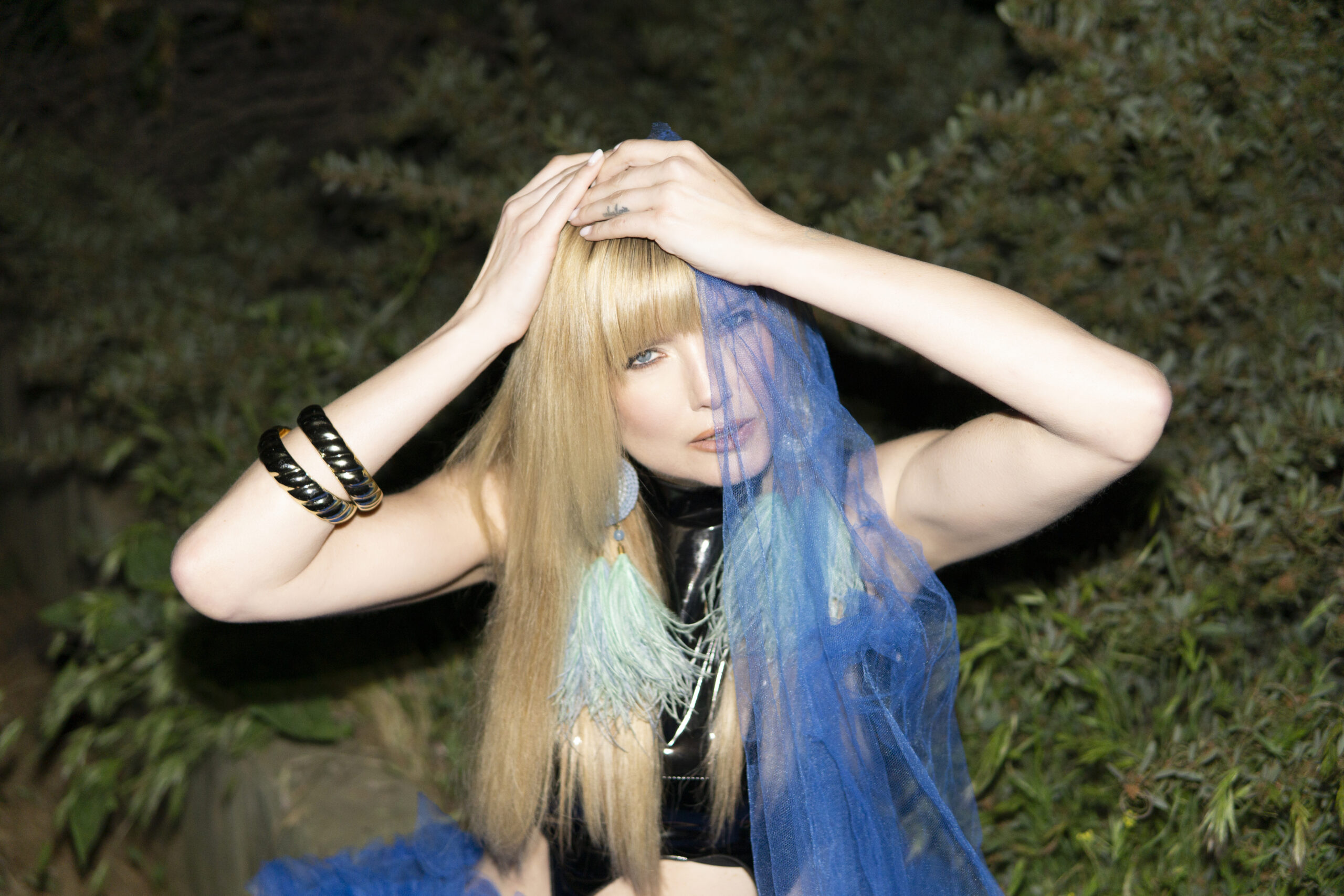
Early on, a lot of female comics were trying to blend in with the boys — wearing jeans and tees to be “one of them.” I went the opposite way and started showing up to comedy clubs in gowns. That became my signature and eventually led to the Models of Comedy show. My advice? Be yourself unapologetically and let your point of view do the heavy lifting.
You often wear no makeup in your day-to-day life but embrace full transformation in editorials and on screen — what does beauty mean to you when no one’s watching?
I almost never wear makeup in daily life. I started modelling when I was six and by twelve I was working full-time. Keeping my skin healthy became a priority. Clients only cared about what you looked like without Photoshop.
But I love transformation. I love playing characters and seeing what makeup artists can create. I’ve been told I have a generic face and I kind of love that — it means I can become anything. Between shoots, even friends don’t recognise me, and I think that’s beautiful in its own way. Beauty is play. It’s about staying curious and childlike.
You’re known for supporting independent designers — how important is it for you to align with creatives outside the mainstream fashion system, and what draws you to their work?
I started working with Yves Saint Laurent at 14, and over the years I’ve been lucky to work with legends like Ungaro, McQueen, and Vivienne Westwood. Watching designers build a vision from scratch gave me deep respect for what it takes to create something meaningful in fashion.
Independent designers often don’t have the resources or connections that big brands do, but their work is usually more imaginative and heartfelt. If I can help amplify their voice by wearing their designs on a red carpet or at a festival like Cannes or the Oscars, I absolutely will. We need more beauty in the world—not more labels.
Credit teams:
Model: Eugenia Kuzmina @eugeniakuzmina
Photographer: Aaron Barry @ABHAIRMAKEUP
Hair stylist: Aaron Barry, @ABHAIRMAKEUP
Makeup Artist: Apollo Barragan, @MAKEUPBYAPOLLO
Hair Using Hidden Crown Hair Extensions @hiddencrownhair